The Complete Kitchen Improvement Guide: Design, Storage, Organization and Efficiency Tips
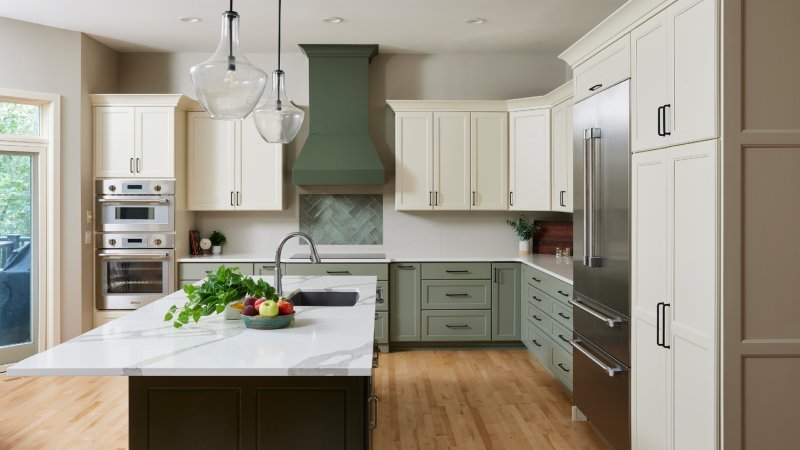
The kitchen is one of the most important spaces in any home. It serves as a place for cooking, dining, socializing, and creating memories with family and friends. A well-designed kitchen can improve functionality, increase home value, and make daily tasks more enjoyable. Whether you are planning a complete renovation or simply looking for practical upgrades, understanding the key elements of kitchen improvement is essential.
This complete kitchen improvement guide covers everything from design and storage to organization and efficiency. By implementing these ideas, homeowners can create a kitchen that is both beautiful and highly functional.
Why Kitchen Improvement Matters
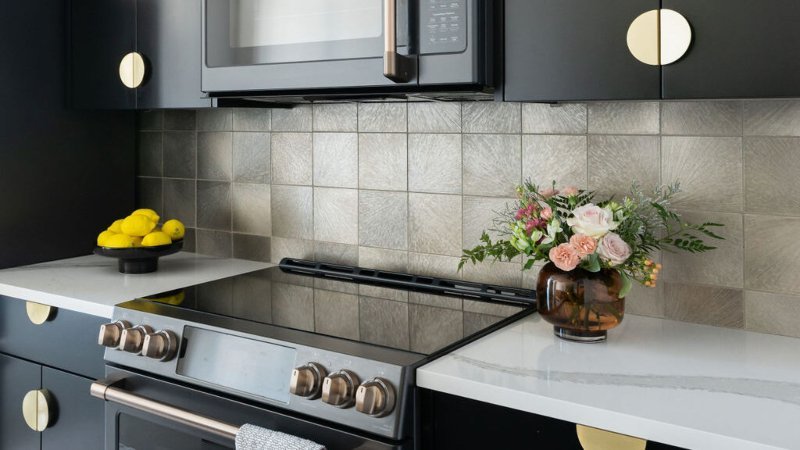
Many homeowners focus on living rooms and bedrooms when upgrading their homes, but the kitchen often provides the greatest return on investment. An improved kitchen can enhance daily convenience, improve safety, and increase the overall appeal of a property.
Benefits of kitchen improvement include:
- Better use of available space
- Increased storage capacity
- Enhanced cooking efficiency
- Improved home value
- Reduced clutter and stress
- Modern and attractive appearance
A thoughtfully designed kitchen supports both practical needs and aesthetic preferences.
Planning Your Kitchen Layout
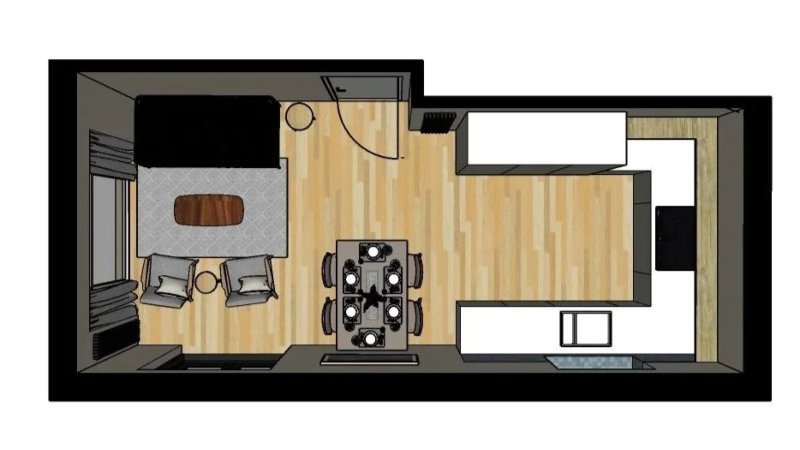
Before purchasing cabinets, appliances, or decorative elements, it is important to create a functional layout.
Popular Kitchen Layouts
1. Galley Kitchen
This layout features two parallel counters with a walkway between them. It works well in small homes and apartments.
2. L-Shaped Kitchen
An L-shaped design utilizes two connected walls and provides excellent flexibility for storage and movement.
3. U-Shaped Kitchen
This layout surrounds the user on three sides, maximizing counter space and storage opportunities.
4. Island Kitchen
Kitchen islands offer additional workspace, seating, and storage while creating a modern appearance.
5. Open-Concept Kitchen
Open kitchens connect seamlessly with dining or living areas, promoting social interaction and spaciousness.
When choosing a layout, consider workflow, available space, and household needs.
Smart Kitchen Storage Solutions
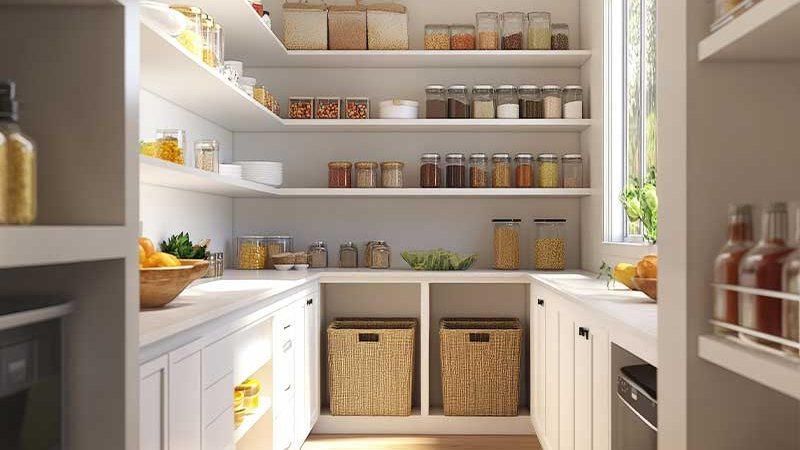
Storage is one of the biggest challenges in modern kitchens. Effective storage systems help maintain organization and maximize available space.
Utilize Vertical Space
Many kitchens have unused wall space that can be transformed into valuable storage.
Examples include:
- Floating shelves
- Wall-mounted racks
- Magnetic knife strips
- Hanging pot organizers
Install Pull-Out Cabinets
Pull-out storage systems improve accessibility and help utilize deep cabinets effectively.
Benefits include:
- Easier access to cookware
- Better organization
- Reduced wasted space
Use Cabinet Organizers
Cabinet organizers can significantly improve storage capacity.
Popular options include:
- Lazy Susans
- Shelf risers
- Drawer dividers
- Under-shelf baskets
Add Pantry Storage Systems
A well-organized pantry helps keep ingredients accessible and reduces food waste.
Store items in labeled containers and group similar products together for easier management.
Cabinet and Drawer Organization
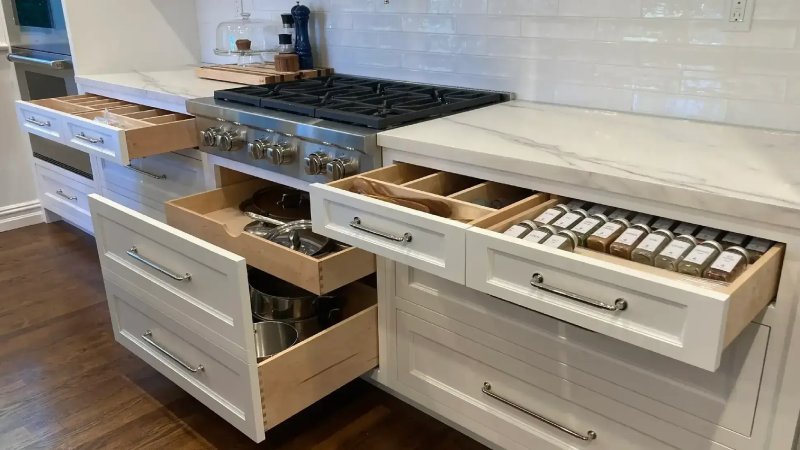
Cabinets and drawers often become cluttered over time. Proper organization can improve efficiency and reduce frustration.
Organizing Drawers
Consider using:
- Utensil trays
- Adjustable dividers
- Cutlery organizers
- Drawer inserts
Organizing Cabinets
Store items based on frequency of use:
- Daily-use items at eye level
- Heavy cookware in lower cabinets
- Seasonal items in upper cabinets
This simple strategy improves accessibility and workflow.
Countertop Space Optimization
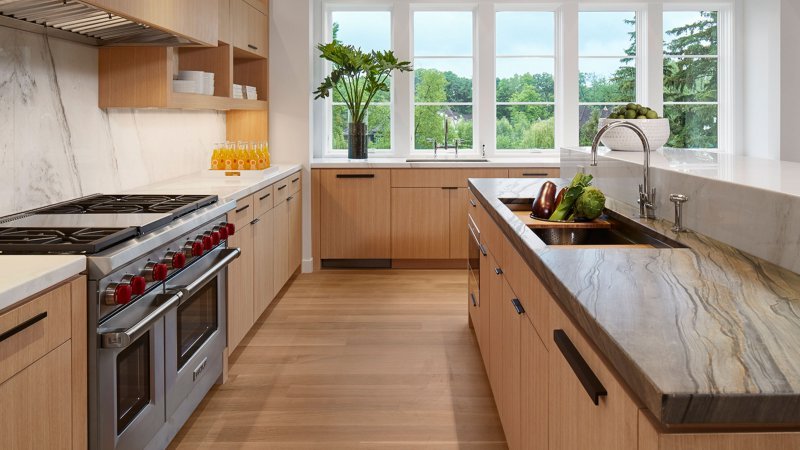
Countertops are essential work areas. Keeping them clear improves both functionality and visual appeal.
Reduce Countertop Clutter
Store rarely used appliances inside cabinets or pantry areas.
Keep only essential items on display, such as:
- Coffee maker
- Toaster
- Frequently used cooking utensils
Use Multi-Purpose Accessories
Consider accessories that serve multiple functions, including:
- Cutting boards with storage compartments
- Foldable drying racks
- Space-saving organizers
A clean countertop creates a more spacious and efficient kitchen environment.
Choosing the Right Kitchen Appliances
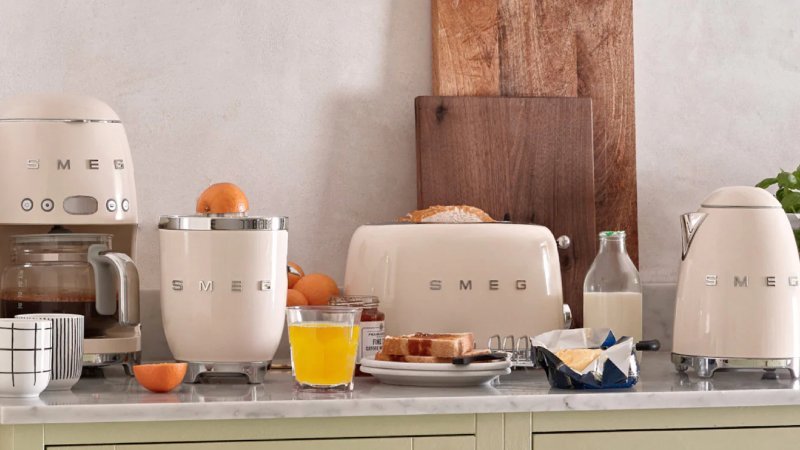
Appliances play a major role in kitchen performance.
Prioritize Energy Efficiency
Modern energy-efficient appliances can reduce utility costs while supporting environmental sustainability.
Look for features such as:
- Energy-saving certifications
- Smart technology integration
- Adjustable operating modes
Match Appliances to Your Lifestyle
Consider your household size and cooking habits when selecting appliances.
For example:
- Large families may benefit from larger refrigerators.
- Frequent cooks may require professional-grade ovens.
- Small households may prefer compact appliances.
Choosing the right equipment improves both convenience and efficiency.
Kitchen Lighting Ideas
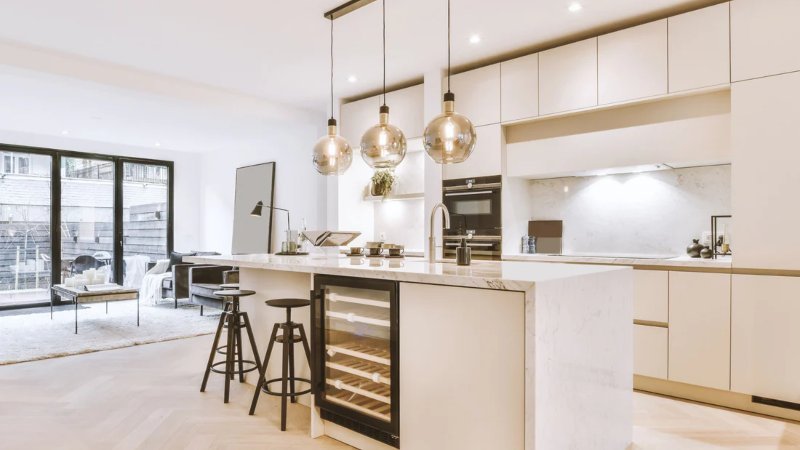
Lighting significantly impacts the functionality and atmosphere of a kitchen.
Layered Lighting Approach
The most effective kitchens combine multiple lighting types.
Ambient Lighting
Provides overall illumination for the room.
Task Lighting
Focuses light on work areas such as countertops and sinks.
Accent Lighting
Highlights design features and decorative elements.
Popular Kitchen Lighting Options
- Pendant lights
- Under-cabinet lighting
- Recessed ceiling lights
- LED strip lighting
Well-planned lighting improves visibility while enhancing aesthetics.
Small Kitchen Improvement Tips
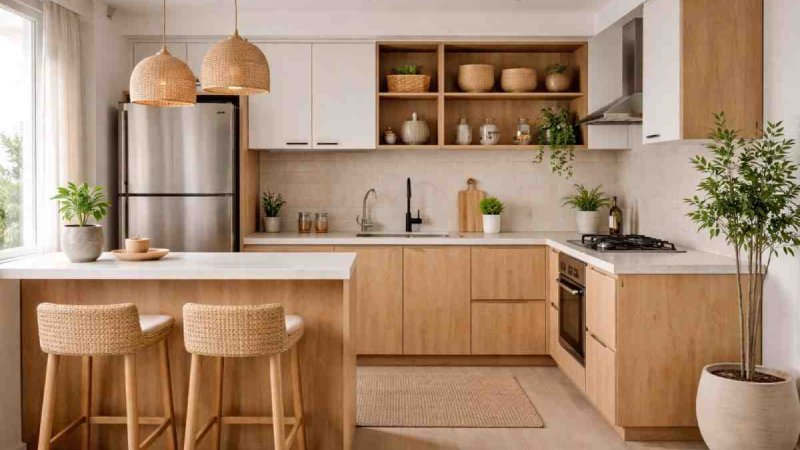
Small kitchens require creative solutions to maximize available space.
Space-Saving Strategies
- Install ceiling-height cabinets
- Use foldable furniture
- Choose compact appliances
- Utilize corner storage systems
- Incorporate wall-mounted organizers
Embrace Minimalism
Keeping only necessary items reduces clutter and makes small kitchens feel larger and more functional.
Budget-Friendly Kitchen Upgrades
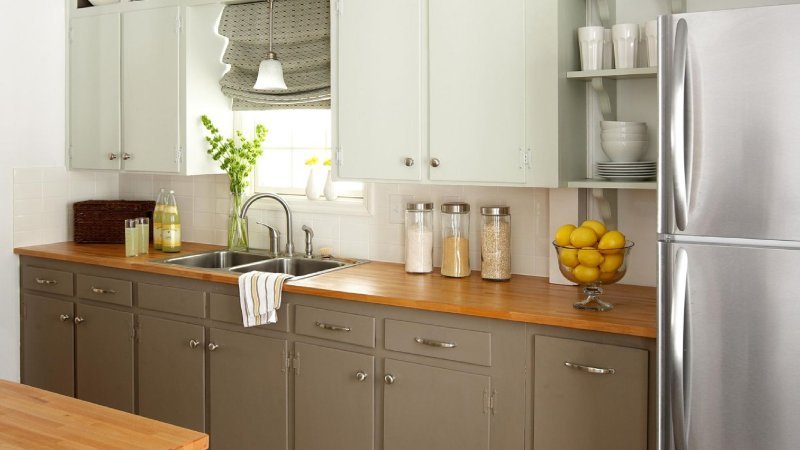
Improving a kitchen does not always require a major renovation.
Affordable upgrades include:
- Repainting cabinets
- Replacing cabinet hardware
- Installing a new backsplash
- Updating light fixtures
- Adding open shelving
- Organizing storage areas
These simple changes can dramatically improve appearance and usability.
Kitchen Cleaning and Maintenance
A clean kitchen performs better and lasts longer.
Daily Maintenance
- Wipe countertops
- Clean spills immediately
- Wash dishes regularly
- Empty trash bins
Weekly Maintenance
- Clean appliances
- Organize pantry shelves
- Disinfect frequently touched surfaces
Long-Term Maintenance
- Inspect plumbing
- Check cabinet hinges
- Service major appliances
Regular maintenance helps prevent costly repairs and preserves the kitchen’s condition.
Modern Kitchen Design Trends
Current kitchen trends focus on functionality, simplicity, and sustainability.
Popular trends include:
- Minimalist cabinetry
- Smart appliances
- Sustainable materials
- Open shelving
- Neutral color palettes
- Large kitchen islands
- Integrated storage systems
Homeowners should balance trends with timeless design principles to ensure long-lasting appeal.
Common Kitchen Improvement Mistakes to Avoid
Avoiding common mistakes can save time and money.
Overlooking Storage Needs
Many homeowners prioritize appearance while neglecting storage requirements.
Ignoring Workflow
Poor placement of appliances and workstations can reduce efficiency.
Insufficient Lighting
A lack of proper lighting affects both functionality and safety.
Choosing Style Over Function
Beautiful designs should never compromise usability.
Planning carefully helps prevent these issues and leads to better results.
Frequently Asked Questions
What is the most important aspect of kitchen improvement?
Functionality is the most important factor. A kitchen should support efficient cooking, cleaning, and storage while maintaining an attractive appearance.
How can I improve kitchen storage without renovating?
You can install shelves, use drawer organizers, add cabinet inserts, and utilize wall-mounted storage solutions.
What is the best kitchen layout?
The best layout depends on available space, household size, and cooking habits. Popular options include L-shaped, U-shaped, and island kitchens.
How often should a kitchen be updated?
Minor updates can be made every few years, while major renovations are typically considered every 10 to 15 years.
Do kitchen improvements increase home value?
Yes. Well-executed kitchen upgrades are among the most effective ways to increase property value and attract potential buyers.
Conclusion
A successful kitchen improvement project combines thoughtful design, smart storage, effective organization, and enhanced efficiency. Whether you are updating a small apartment kitchen or transforming a large family cooking space, strategic improvements can dramatically improve functionality and comfort.
By focusing on layout planning, storage optimization, quality appliances, proper lighting, and ongoing maintenance, homeowners can create a kitchen that meets both practical needs and aesthetic goals. Investing in kitchen improvement is ultimately an investment in the quality, value, and enjoyment of your home.